Apr 1, 2019 | accent reduction, cross cultural communication, Language, presentation skills
When speaking in English, Chinese speakers usually pronounce each word, and often each syllable, separately and with equal stress. English speakers use linking to run words together to sound fluid. They do not speak word by word. Rules for linking are formed by...
Read More
Jun 1, 2016 | accent reduction, Asian culture, cross cultural communication, cross cultural conflict, Language
Come join our workshop! Enhancing Cultural Fluency and Becoming a Better Communicator Saturday, June 4, 2016 at Rutgers University, 675 Hoes Lane, West Piscataway, NJ 08854 This session will help students, employees, and managers communicate appropriately and deal...
Read More
Oct 13, 2015 | American culture, Business, cross cultural communication, cross cultural negotiation
The ability to “sell yourself” with confidence is a key skill for success in American culture. American culture focuses on the individual. In interviews, performance reviews, meetings and presentations, people are are expected to “sell” themselves by stressing...
Read More
Jun 13, 2014 | cross cultural communication, customer service, healthcare
Almost all healthcare facilities in the US serve some patients with limited English proficiency (LEP). How you approach communication– how you speak and how you listen, has an enormous impact on the success or failure of the communication. Here are 10 things you can...
Read More
Dec 12, 2013 | accent reduction, Asian culture, cross cultural communication, Language
When speaking in a second language, people will use the structures and style of their native language. This is called first language transfer, or L1 transfer. L1 transfer can affect one’s pronunciation, grammar, spelling, word choice, and communication style....
Read More
Nov 20, 2013 | cross cultural communication, healthcare
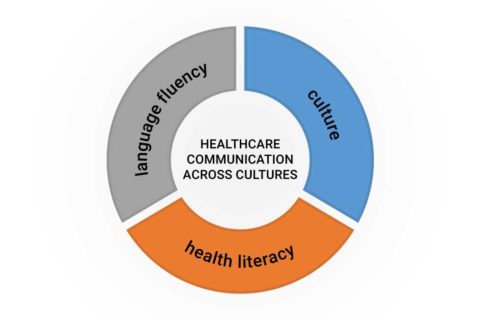
The interdependence of competency levels in each area defines the quality of the communication. Cross-cultural communication in healthcare has 3 vital components: language fluency, culture, and health literacy. The culturally competent provider can assess a...
Read More